Trekking in Sapa
HomeThings to Do › Trekking
Complete Guide

Trekking in Sapa: The Soul of the Mountains

From the trails of Muong Hoa valley to remote summits — everything to prepare for your hike.

Hiking is the soul of Sapa. You don't come here just to see the landscape from a car — you come to walk in it, cross the rice fields, pass through villages, and stay with locals. For twenty years, we have organized tours in this region: the travelers who return with the strongest memories are almost always those who walked.

What is the best trek route in Sapa?

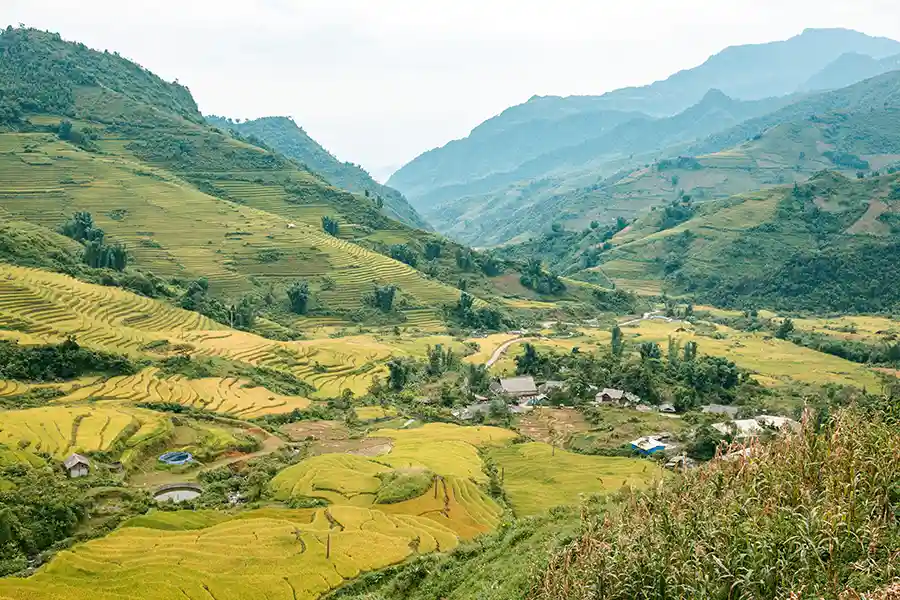
The Muong Hoa Valley remains the essential Sapa trail: 12 to 15 km, accessible level, terraced rice fields, and ethnic villages like Lao Chai and Ta Van, accessible to most travelers in good physical condition.

Discovery

Easy Level — half-day to full day

Easy

Cat Cat and Sin Chai — The Perfect Introduction

This is the first trail we recommend to travelers discovering Sapa. Cat Cat village is 2 km from the town center — a 30-minute walk down a marked path. A waterfall, indigo dyeing demonstrations, and traditional Hmong houses. From Cat Cat, you can extend to Sin Chai — a quieter, less touristy village.

Distance5 to 7 km
Duration2 to 4 hours
ElevationModerate
Price70k VND Entrance

Ideal for: First day, families, travelers not used to hiking.
Easy

Y Linh Ho — The Best Panoramic Views

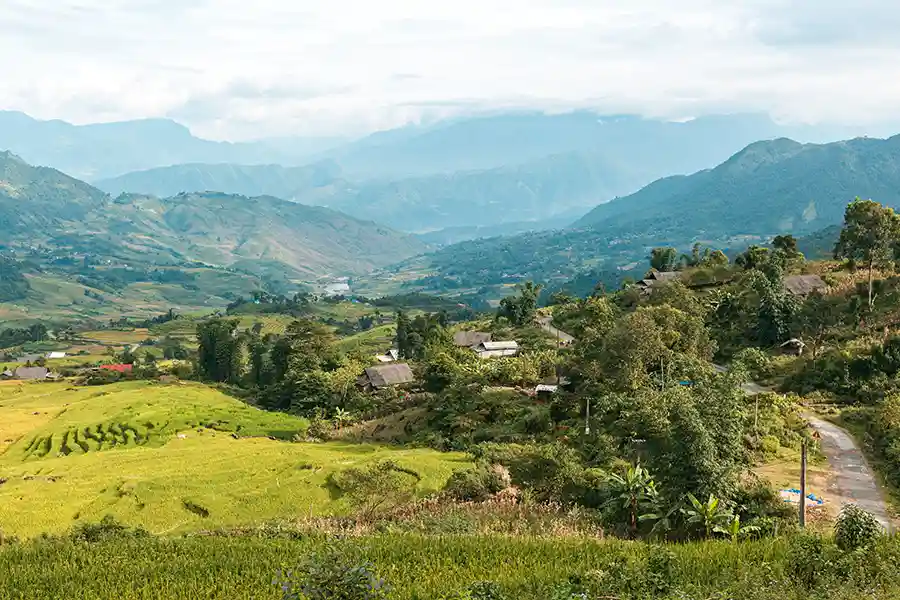
Y Linh Ho village, inhabited by Black Hmong, is perched high on the valley slopes. The trail leading there from Sapa offers the widest views of the Muong Hoa valley — a natural viewpoint overlooking the endless terraces. Less crowded than Lao Chai despite its proximity to Sapa.

Distance6 to 8 km (one way)
Duration3 to 4 hours
ElevationModerate
GuideRecommended

Ideal for: Photographers, panoramic views, clear mornings.

Immersion

Intermediate Level — full day

Intermediate

Muong Hoa Valley Crossing: Y Linh Ho → Lao Chai → Ta Van

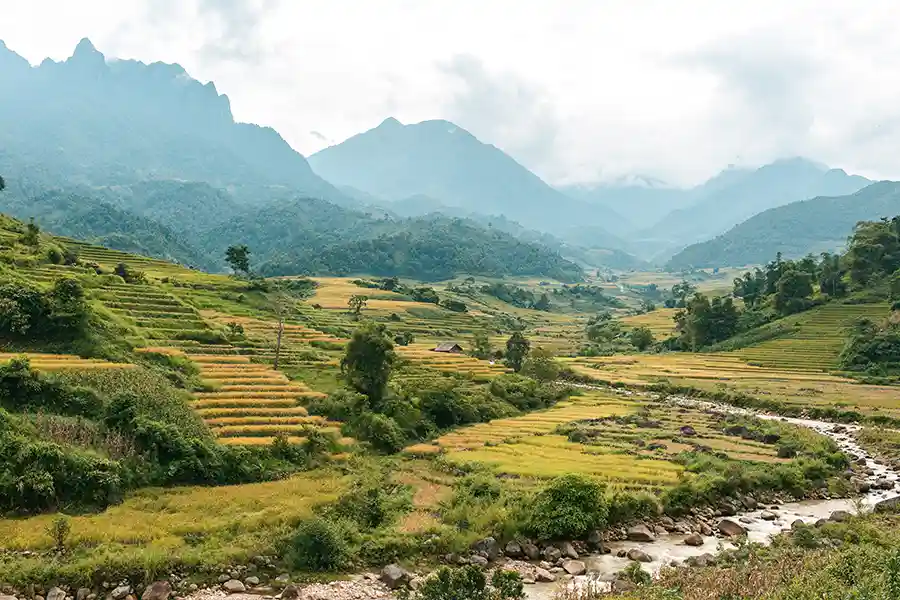
The iconic Sapa trek. The trail descends from Sapa, crosses terraced rice fields, passes through the Hmong village of Lao Chai, follows the Muong Hoa river to the Giay village of Ta Van, with an option to continue to Giang Ta Chai where the Red Dao live.

You cross a suspension bridge over the river, walk past mysterious rock carvings, and have lunch in a local homestay. It is the region's best balance of scenery, villages, and technical ease.

Ideal for: All profiles, first full immersion in the valley.

Distance12 to 15 km
Duration6 to 8 hours
Elevation400 to 600 m gain
Guide Price35 to 55 USD / day
Intermediate

Ma Tra → Ta Phin: The Path Off the Beaten Track

Less famous than the Muong Hoa valley, this route north of Sapa crosses landscapes of rice fields and bamboo forests largely untouched by tourism.

Ma Tra is a discreet Hmong village, and Ta Phin is the quintessential Red Dao village — known for its herbal medicinal baths and embroidery craftsmanship. This is the route we recommend to avoid crowds.

Ideal for: Experienced travelers, cultural curiosity, authenticity.

Distance7 to 10 km
Duration4 to 5 hours
ElevationModerate to steady
Guide Price30 to 45 USD / day
Adventure

Difficult Level — multi-day

Difficult

2 Days / 1 Night: Muong Hoa → Giang Ta Chai → Ban Ho

The classic multi-day tour. First day in the valley to Ta Van, overnight stay with locals. Second day through bamboo forest, waterfall, Giang Ta Chai village, return to Ban Ho. After the second hour, the crowds disappear.

Distance25 to 30 km
Duration2 days / 1 night
NightTa Van Homestay
Guide Price70 to 100 USD

Ideal for: Seasoned hikers, total immersion.

Difficult

3 Days / 2 Nights: The Full Loop

The format we prefer for those with time. Day 1: Muong Hoa. Day 2: Giang Ta Chai and Ban Ho. Day 3: Ascent of Double Ear summit with 360° views of Hmong, Giay, and Dao villages.

Distance40 to 45 km
Duration3 days / 2 nights
LevelStrenuous
Guide Price120 to 150 USD

Ideal for: Experienced hikers seeking the local essence.

Hidden Gems

Trails Off the Classic Routes

From preserved villages to wild plateaus, here are our 'secret' spots for a unique experience.

Nam Cang

Nam Cang

The most preserved village. Intact rice fields and sincere hospitality. 45 minutes from Sapa by car.

Hau Thao

Hau Thao

The wildest views of the entire Muong Hoa valley. Heavenly for seas of clouds in November.

Ban Ho

Ban Ho

The end of the tourist trails. Tay village on stilts, river crossing the hamlet, rice fields without wires or poles.

Trail Summary Table

Trail Distance Duration Level Guide Price Ideal for
Cat Cat – Sin Chai5–7 km2–4hEasy~20 USDFirst visit, families
Y Linh Ho6–8 km3–4hEasy25–35 USDPhotographers, panoramic views
Muong Hoa (Full Day)12–15 km6–8hIntermediate35–55 USDAll profiles, full hike
Ma Tra – Ta Phin7–10 km4–5hIntermediate30–45 USDOff-road, Dao culture
2d/1n Circuit25–30 km2 daysDifficult70–100 USDHikers, total immersion
3d/2n Circuit40–45 km3 daysDifficult120–150 USDExperienced, full loop
Nam CangVariableVariableIntermediate40–60 USDPreserved village, authenticity
Hau ThaoVariableVariableIntermediate35–50 USDPhotographers, seas of clouds

Do You Need a Guide to Hike in Sapa?

On the marked trails of Muong Hoa valley and Cat Cat, independent hiking is technically possible. However, our recommendation is clear: a local guide radically changes the quality of the experience.

A good guide doesn't just show you the way. They introduce you to families, know trails that avoid crowds, and explain terraced farming, traditions, and medicinal plants. Without them, you walk through a landscape. With them, you understand a world.

Packing List

  • Waterproof hiking shoes
  • Walking poles (steep descents)
  • Light raincoat
  • Warm layer (cool mornings)
  • 1.5 to 2 liters of water
  • Sunscreen & Cash

When to Hike in Sapa?

Period Trail Conditions Landscapes Rating
April – MayDry, passableWatered fields, bloomingExcellent
November – DecemberExcellentBare terraces, autumn lightExcellent
MarchVariable, sometimes muddyBlooms, mistVery Good
OctoberVariableHarvested terracesGood
January – FebruaryWet, mistyWinter landscape, frostFair
June – AugustSlippery, muddyIntense green rice fieldsAverage

For more details, see our seasonal trekking guide.

Frequenty Asked Questions

Can you hike in Sapa without a guide? +
On Cat Cat and Muong Hoa valley, yes — with a good map and suitable shoes. On unmapped trails, multi-day circuits, and climbing Fansipan on foot, a local guide is indispensable for safety and cultural depth.
What is the easiest hike in Sapa? +
The Cat Cat – Sin Chai trail: 5 to 7 km, moderate elevation, well-marked, accessible to beginners and families with children aged 8–10.
What is the most beautiful hike in Sapa? +
The crossing of the Muong Hoa valley — Y Linh Ho, Lao Chai, Ta Van — remains our absolute recommendation for a full first trek.
How much does a Sapa trek with guide cost? +
Between 25 and 55 USD for a day. From 70 to 150 USD for 2 to 3-day circuits including guide, lunch, and homestay accommodation.

Request Your Custom Trek

Experience an authentic immersion with our local experts. Parfum d'Automne designs exclusive itineraries to discover the best of Sapa.

Parfum d'Automne Team

Continue Exploration

← Back: Things to See and Do
Fansipan

Fansipan

The roof of Indochina by cable car.

See Guide
Sapa Markets

Ethnic Markets

Colors and traditions in Bac Ha.

See Guide
Sapa Villages

Villages & Minorities

Meet the Hmong and Dao people.

See Guide