Cultural Immersion
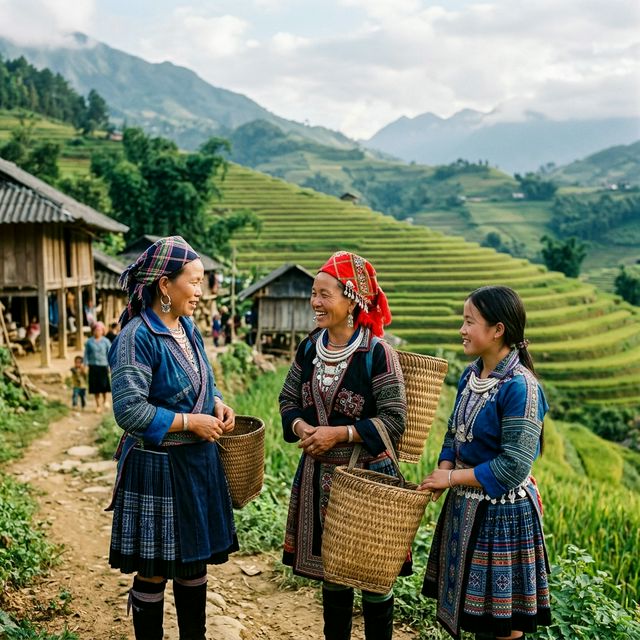
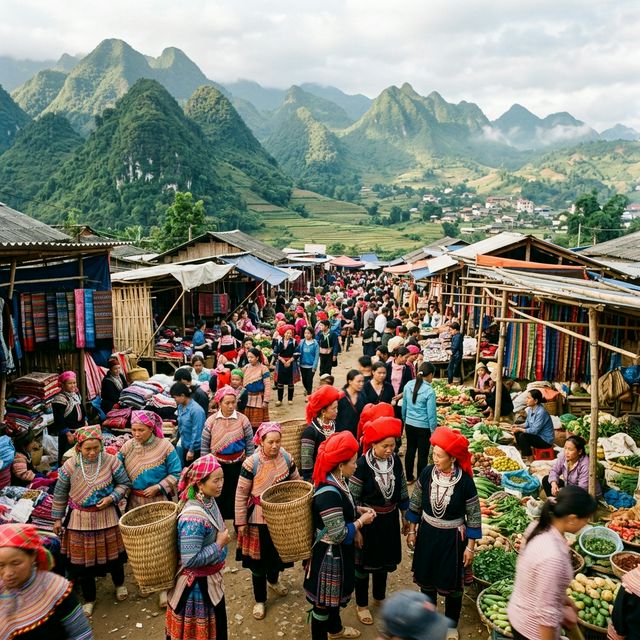
The ethnic markets of North Vietnam are like no other. These are not tourist markets — or at least, not originally. They are places of life, meeting, and exchange where mountain minorities descend in traditional costume.
Colors, smells, mixed dialects, indigo fabric, and rice wine: a morning in a mountain market often remains the strongest memory of a Sapa stay. Here is the guide to all the must-see markets in the region, from the most famous to the most preserved.
Calendar and specificities of each gathering.
Located near the church, it comes alive particularly on weekends when Black Hmong and Red Dao descend to town to sell textiles and medicinal herbs.
Famous for its thousands of Flower Hmong in multicolored outfits. You'll find everything: livestock (buffaloes), spices, local alcohols, and a phenomenal food area.
Close to the Chinese border, it's one of the most authentic. Renowned for its huge livestock section and almost total absence of tourist staging.
Frequented by Pa Dí and Phù Lá, this border market is a well-kept secret. It breathes an atmosphere of rare authenticity, far from classic circuits.
Almost unknown to tourist circuits. Just a weekly gathering in a mountain town. Ideal for those who simply want to observe without buying anything.
6am – 11am
Distance: 70km
Arriving early is crucial. Peak animation is around 8am. By noon, everything is over.
Always ask before shooting. Never give money in exchange for a photo.
It's normal but stay measured. A 10 to 20% discount is a reasonable base.
Taste the thắng cố (local soup) or grilled corn. Follow the locals!
Only cash in small bills. No ATMs at mountain markets.
Dress soberly. Simple clothing facilitates respectful contact.

Our guides know the secret market days and the best host families. Don't visit Sapa as a simple spectator, enter its intimacy.