Cultural Diversity
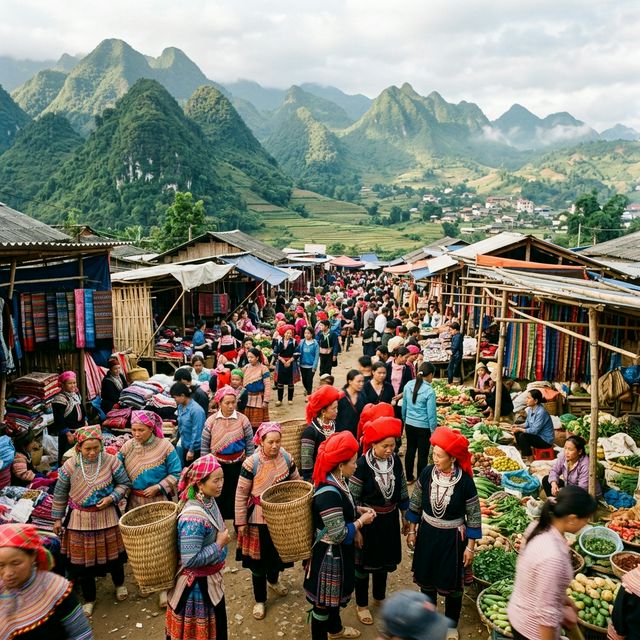
The Sapa region is one of the areas in Southeast Asia where ethnic diversity is most concentrated. Within a 30-kilometer radius of the city, a dozen minority groups live according to often millenary traditions.
Visiting the villages around Sapa means crossing invisible cultural borders, sometimes from one side of a valley to another. This guide introduces the main ethnic groups of the region and the villages where you can meet them, from the most accessible to the most preserved.
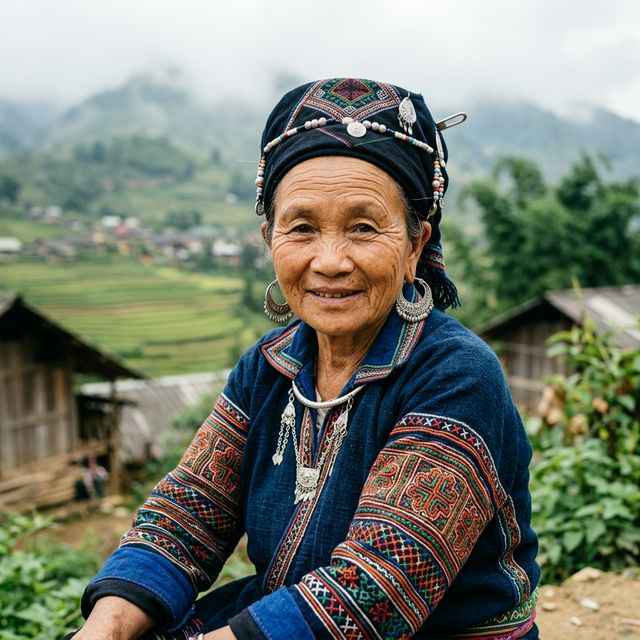
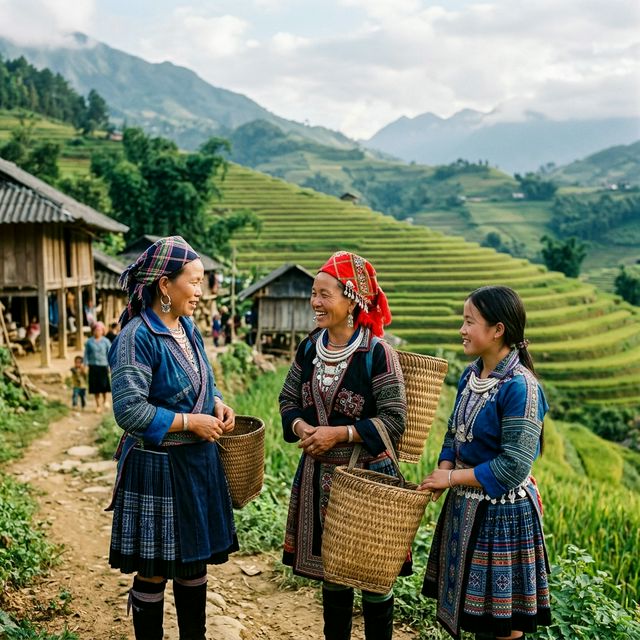
The majority group, immediately recognizable by their hand-embroidered indigo outfits. Highly skilled farmers of terraced rice fields.
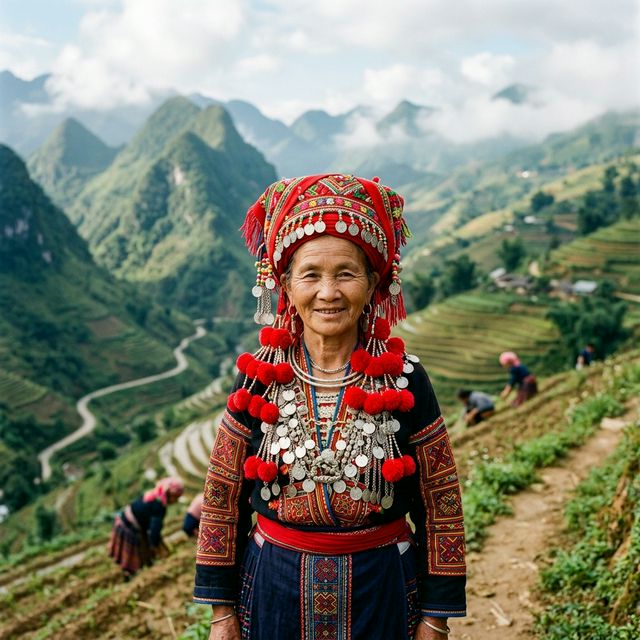
Guardians of ancestral knowledge, known for their scarlet red turbans and expertise in medicinal plants.
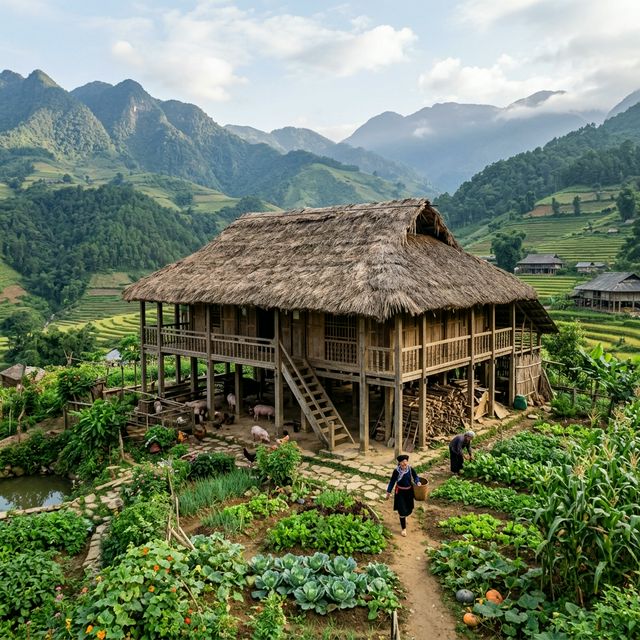
Builders of large stilt houses in the valley floors. Sedentary rice farmers with a renowned cuisine.
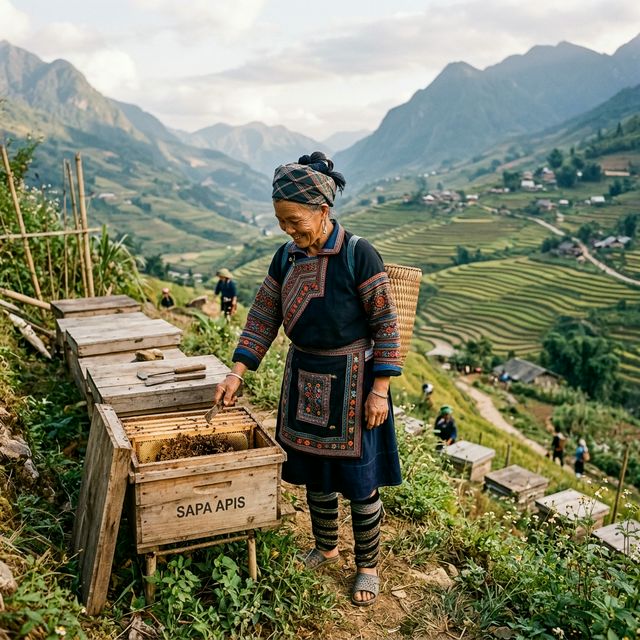
A smaller group living in harmony in the Muong Hoa valley. Known for their beekeeping and simple clothing.
Just 2 km from Sapa. Ideal for an easy first approach, despite being quite touristy. Don't miss the waterfall below.
The path is well maintained, and the houses are picturesque. Cat Cat is best visited on weekdays and early in the morning for its alleys, traditional looms still in use, and old stone houses.
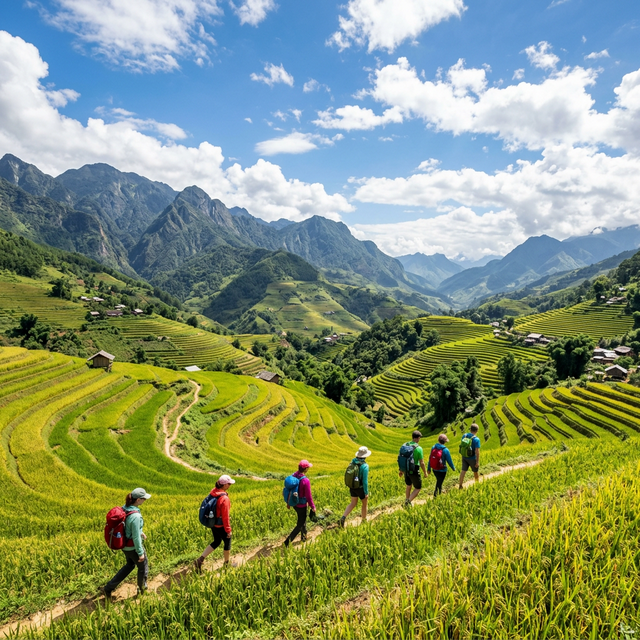
The beating heart of Muong Hoa valley. The most famous trekking route through the most beautiful terraced rice fields.
Lao Chai is a dense and lively Black Hmong village. Ta Van, further down, is mostly Giay, with its large stilt houses. In September–October, when the rice is ripe and golden, the landscape is breathtakingly beautiful.
The stronghold of the Red Dao. Famous for its medicinal herbal baths and group embroidery workshops.
This is where embroidery traditions and plant-based medicine are best preserved. You can sit with the craftswomen and buy directly. The village also houses the striking ruins of a 20th-century French monastery.
25 km south, away from the crowds. A deep valley where the Tay hospitality has remained pure and sincere.
Surrounded by waterfalls and forests, this village is ideal for a homestay immersion. Sleeping in Ban Ho and dining with a local family is one of the most memorable experiences Sapa can offer.
Adopting a respectful visitor stance is key to a beautiful exchange:

Our guides are often from these communities. They open the doors of Hmong or Dao houses for an unvarnished immersion.