Cultural Guide
Culture & Ethnicities of Sapa
The soul of the mountains — six ethnic groups with living ancestral traditions, between indigo textiles and Khen festivals.
The soul of the mountains — six ethnic groups with living ancestral traditions, between indigo textiles and Khen festivals.
Sapa is not just a landscape of terraced rice fields. It is the sanctuary of a unique ethnic diversity in the world.
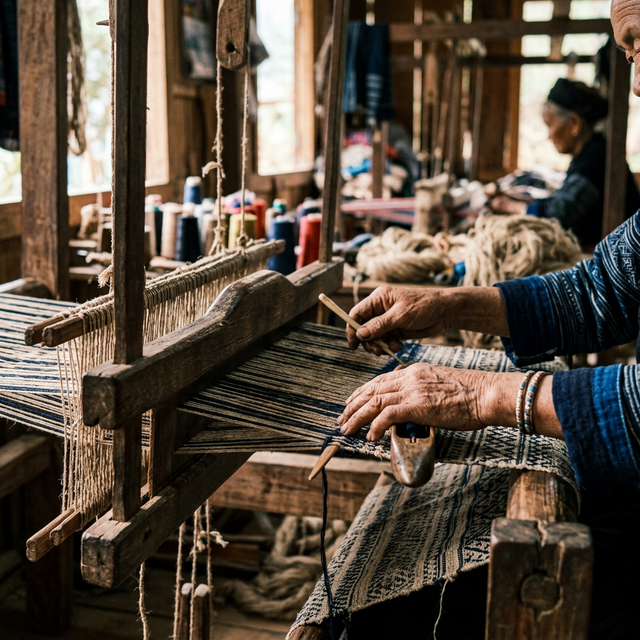
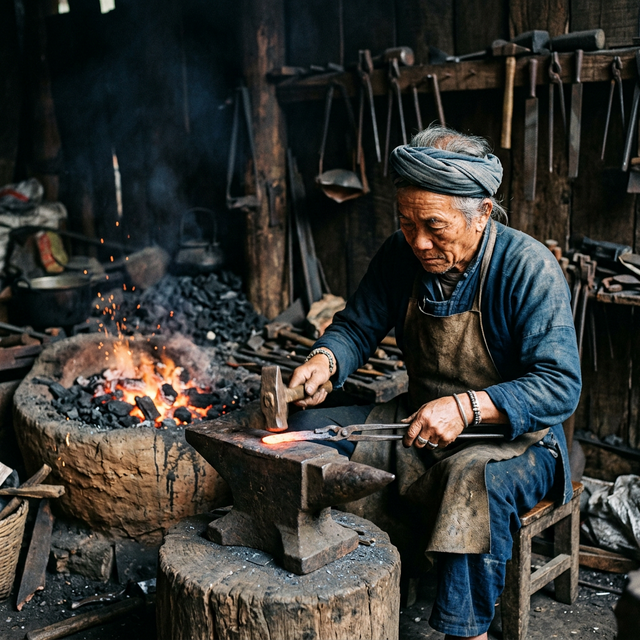
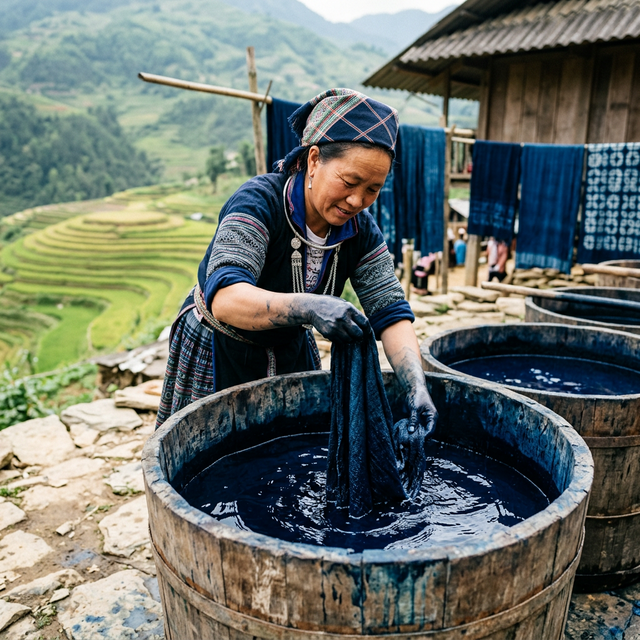
Between fabrics dyed with natural indigo according to millenary know-how, ancestral festivals punctuated by Khen sounds, and the wisdom of elders passed down from generation to generation, discover the six groups of ethnic minorities who shape the deep identity of this mystical region. This guide invites you to a respectful and enlightened encounter, far from tourist clichés, in the heart of humanity of exceptional richness.
In brief
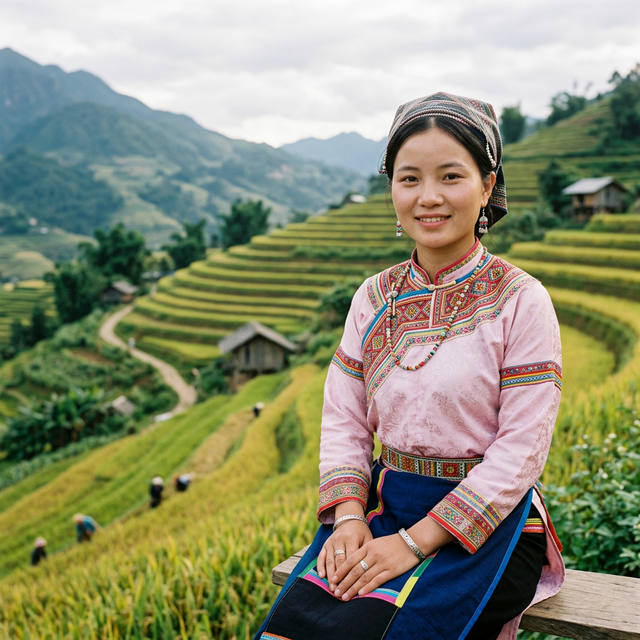
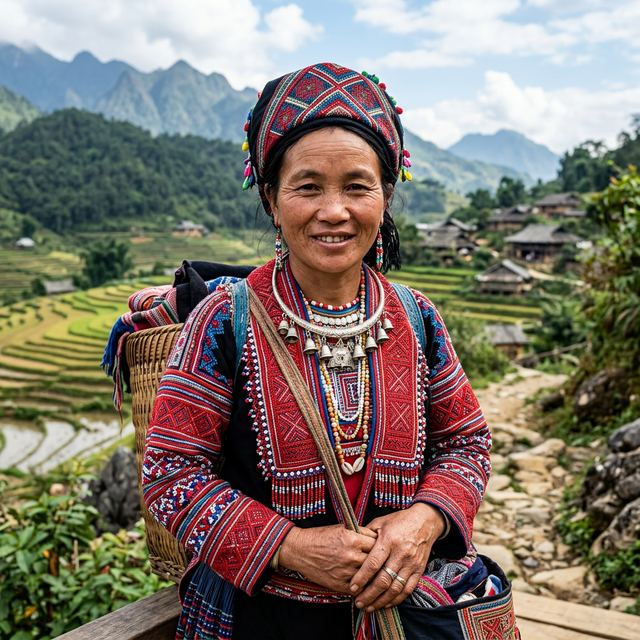
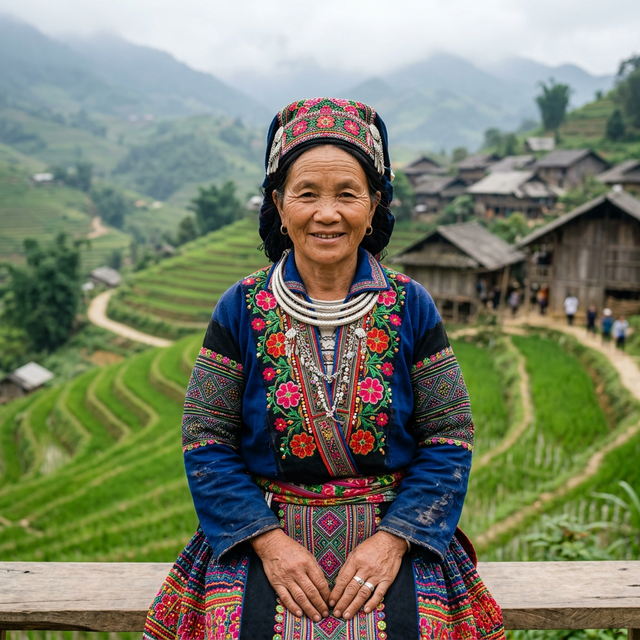
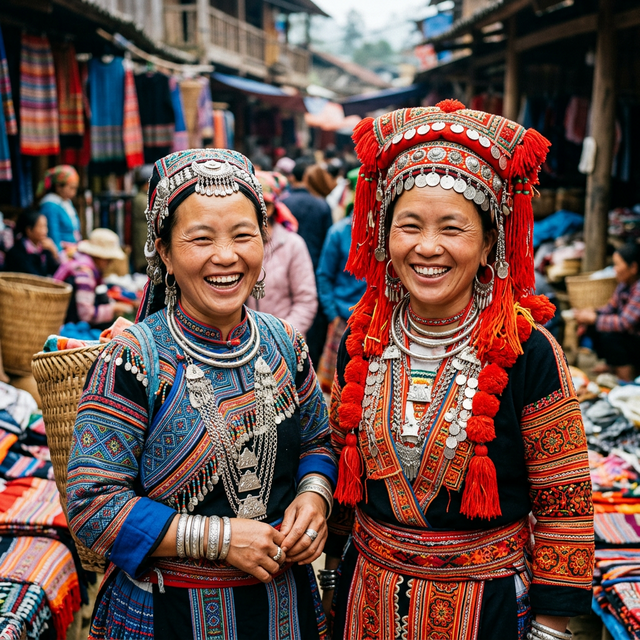
The Sapa region is home to 6 main ethnic groups, each with its own language, architecture, and textile traditions. Black Hmong and Red Dao are the most represented, followed by Tay, Giáy, Xa Phó and Kinh (Lowland Vietnamese). Each costume is an open book: colors, embroideries and jewelry tell the origin and social status of its wearer.
| Ethnic Group | Population | Main Villages | Distinctive Sign |
|---|---|---|---|
| Black Hmong | ~ 53 % | Cat Cat, Y Linh Ho, Lao Chai | Deep indigo-dyed clothing, hemp weaving |
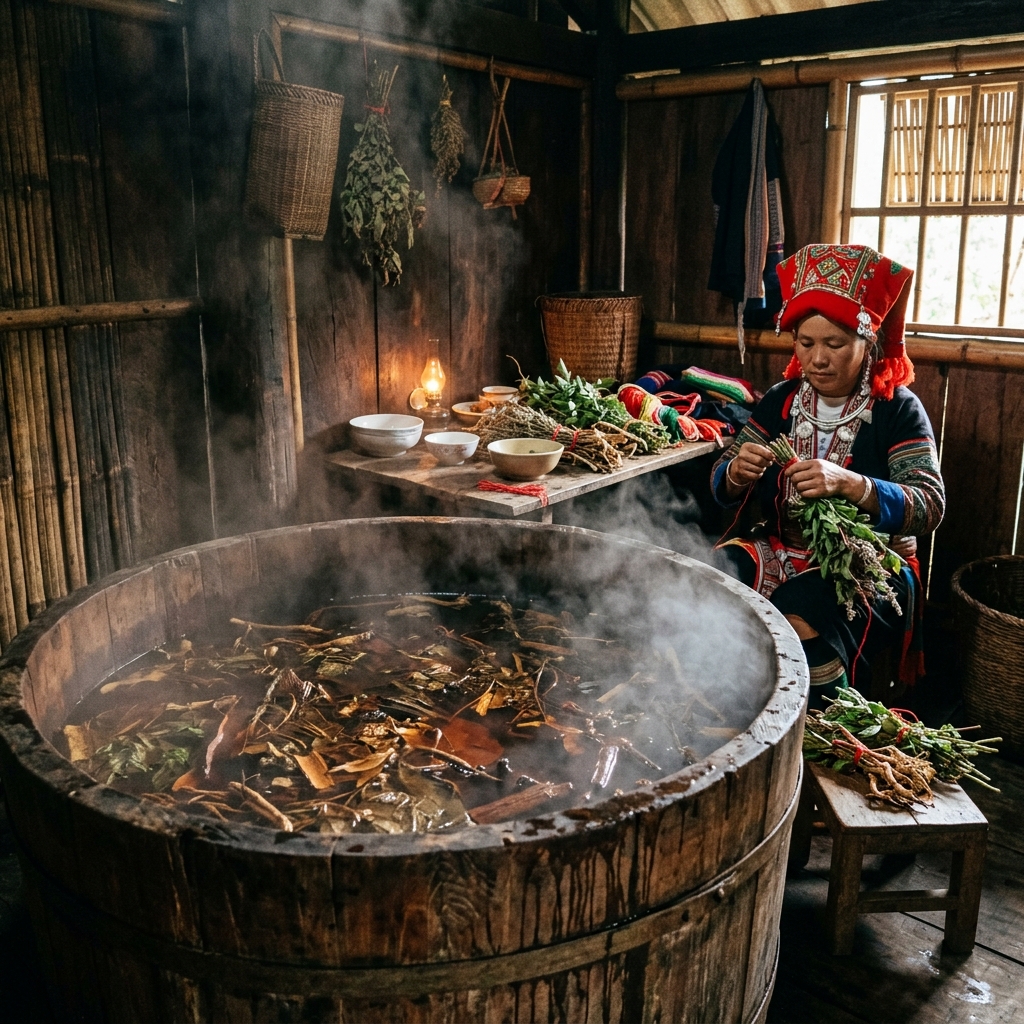
| Red Dao | ~ 25 % | Ta Phin, Nam Cang | Brilliant scarlet headdress, medicinal herbal baths |
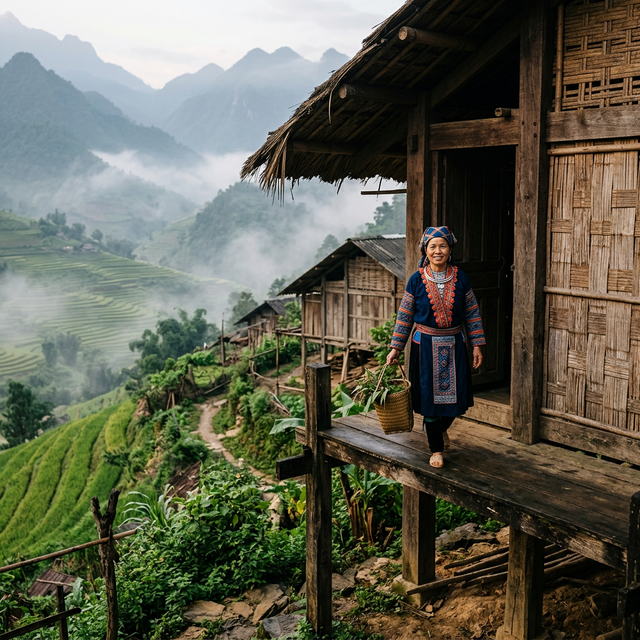
| Tay | ~ 5 % | Ban Ho, Thanh Phu | Large traditional stilt houses, "Luon" poetic songs |
| Giáy | ~ 2 % | Ta Van | Masters of rice cultivation, colorful collar bands |
| Xa Phó | < 1 % | Nam Sai | Very isolated groups, woven bead embroidery |
Ethnic Festival Calendar
The lunar calendar dictates minority life. Witnessing an agrarian festival or the New Year is a rare opportunity that often marks the highlight of a trip to Sapa. These festivals are open to visitors, provided you are accompanied by a local guide to decode the rites.
Consult Festival Calendar ›Lunar New Year celebrations among the Hmong with dances, love markets, and shamanic rituals.
Agrarian rites and traditional songs in the Muong Hoa valley. Unique opportunity for authentic sharing.
Harvest festival and ceremonies of gratitude towards nature spirits and family ancestors.
The golden period of rice fields — local festivities and joy in almost every village in the valley.
Every curious look, every photo taken, and every purchase can participate in the preservation or erosion of these age-old cultures. Here are 4 concrete principles for traveling with conscience:
Some minorities, especially the elderly, fear that the lens captures their soul. Take time for a smile and wait for explicit agreement before clicking.
Buying bracelets from children encourages them to quit school. If you wish to help, make material donations directly to village chiefs or schools.
Avoid industrial products sold on cathedral square. Prioritize weavings sold directly by women in their villages — the fair price testifies to the actual work done.
A green branch hung on the door means access is forbidden (illness or birth ritual). A local guide is invaluable for decoding these signs.
Yes, the road to Cat Cat or Ta Van is easy to access. However, without a guide, you will miss the "why" and "how": you will see costumes but understand neither the language, nor the social codes, nor the history of the farms you cross. A local guide from Parfum d'Automne makes all the difference between "seeing" and "understanding".
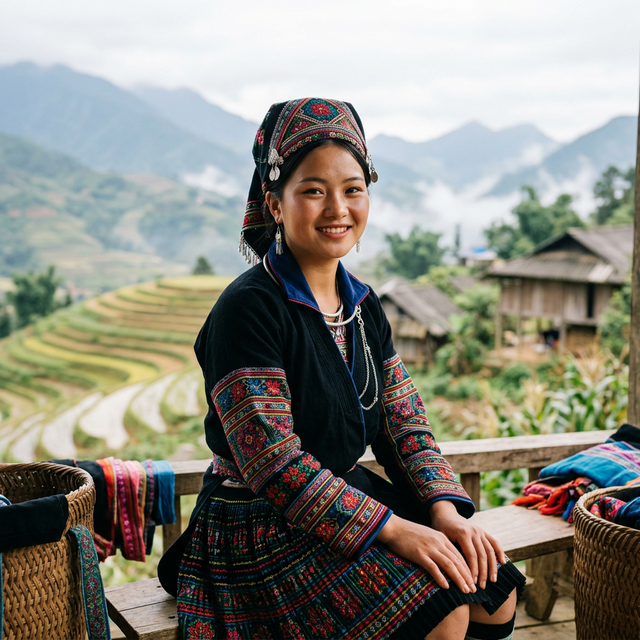
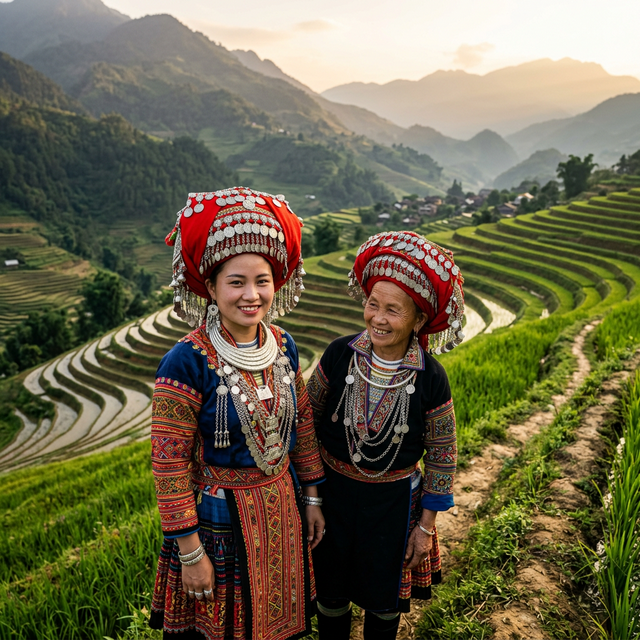
Clothing is the most obvious marker. Black Hmong wear heavy dark costumes dyed with natural indigo, with leg bands. Red Dao are instantly distinguished by their large square scarlet headdress covered with silver coins — and their eyebrows often shaved according to tradition. A guide will know all details in context.
Yes, provided you buy directly from the craftswomen in the villages or during weaving demonstrations, and ensure a fair price. Embroidery work takes days: a price too low often indicates mechanized production from across the border. By buying direct, you support a family.
Absolutely. Never pet a child's head (considered the seat of the soul). Entering a house, don't touch the ancestors' altar and wait for the host to designate your place. Finally, politeness and respect always come before fierce price negotiation.
Parfum d'Automne organizes guided encounters with ethnic communities, respecting traditions and with a positive impact on local families.
For over 15 years, our francophone local agency has been accompanying travelers in the authentic exploration of Vietnam.