Mount Fansipan Sapa
HomeThings to Do › Fansipan
Roof of Indochina

Mount Fansipan: The Highest Peak in Vietnam

At 3,143 meters altitude, experience the ultimate journey above the clouds.

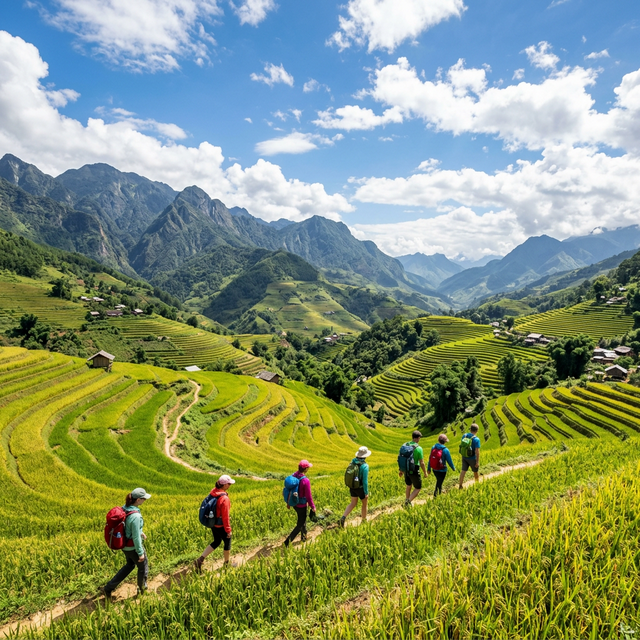
At 3,143 meters altitude, Fansipan is the highest point of Vietnam, Laos, and Cambodia combined. From Sapa, it stands as a permanent backdrop — on clear days, its silhouette dominates the terraced rice fields of the Muong Hoa valley. Climbing Fansipan, whether on foot or by cable car, remains one of the most memorable experiences of a trip to Northern Vietnam.

Cable Car or Hiking: Which Option to Choose?

Two paths lead to the summit, for two radically different experiences.

Comfort & View

The Sunworld Cable Car

In operation since 2016, it is the world's longest three-cable system with an elevation gain of 1,410 meters. The most accessible solution for everyone.

  • 15-minute ascent
  • 600-step climb at the top (accessible via funicular)
  • Breathtaking views of the Hoang Lien Son range
Adult (R/T)~800,000 VND
Child (1m-1.3m)Reduced rate
Child < 1mFree

Schedules: 7:30 AM – 5:30 PM daily.

Adventure & Nature

Sporty Hiking

For experienced hikers. Cross primary forests, bamboo zones, and landscapes that change radically as you ascend.

  • 2 to 3 days round trip
  • Overnight in mountain shelters
  • Local guide mandatory
Guide (2 days)2.5M – 4M VND
AccommodationIncluded
MealsIncluded

Note: Booking recommended via our agency.

Practical Information

Access from Sapa

The cable car departure station is located in Cat Cat, about 2 km from the center of Sapa. It is easily accessible by taxi, tuk-tuk, or even on foot for the bravest. The taxi ride takes about 10 minutes.

Best Times

Arriving before 8 AM or after 2 PM often avoids crowds, especially in high season (March–May and October–December). By late morning, clouds often gather at the summit.

Packages & More

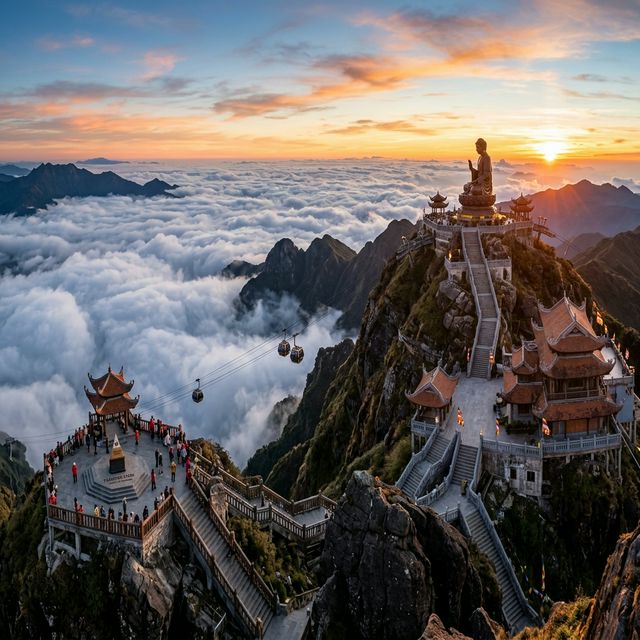
Packages including a visit to Cat Cat village are available for purchase at the station. The complex at the top also houses a magnificent Buddhist complex with pagodas and giant statues.

Tips for a Successful Visit

Check the Weather the Day Before

Fansipan is in the clouds for a good part of the year. The best visibility is between October and December, and between March and May. In summer, the monsoon makes hiking difficult and views non-existent.

Dress Warm (Essential)

Even in the peak of the hot season, the temperature at the summit is around 5 to 10°C and the wind can be strong. A fleece jacket and a windbreaker are essential, even if the sun is shining in Sapa when you leave.

Leave Early in the Morning

Clouds generally accumulate by late morning. Taking the first cable car of the day (7:30 AM) maximizes your chances of having a clear view of the mountains and seeing the "sea of clouds."

For Hikers

Bring waterproof shoes, hiking poles, and a first-aid kit. Mountain shelters are basic (collective dormitories) but functional.

FAQ – Fansipan from Sapa

Can Fansipan be done in one day? +
Yes, by cable car. Allow 3 to 4 hours on site including waiting times and climbing the steps. For hiking, a minimum of 2 days is required.
Is Fansipan accessible year-round? +
Technically yes, but visibility is very unpredictable in summer (June–August) and in January–February, when fog is almost permanent. The best periods are autumn and spring.
Do you need to be in good physical condition for the cable car? +
Not for the cabin ride, but the 600 steps to the summit can be strenuous. Sedan chairs are available on site for an extra fee for those who cannot climb.
Can you see snow at Fansipan? +
Yes, rarely, in January or February during cold waves descending from the north. It is a rare event that attracts many visitors; expect long queues.
Is there anything to see besides the summit? +
The upper station houses an exceptional Buddhist complex with several pagodas, terraced gardens, and a giant Buddha statue — for this alone, the visit is worth it even in cloudy weather.

Guided Ascent or Tailor-made Stay

Parfum d'Automne organizes your Fansipan expedition with certified guides or integrates this must-see visit into your Sapa itinerary.

Parfum d'Automne Team

Continue Exploration

← Back: Things to See and Do
Trekking Sapa

Trekking

The best trails in the rice fields.

See Guide
Sapa Markets

Ethnic Markets

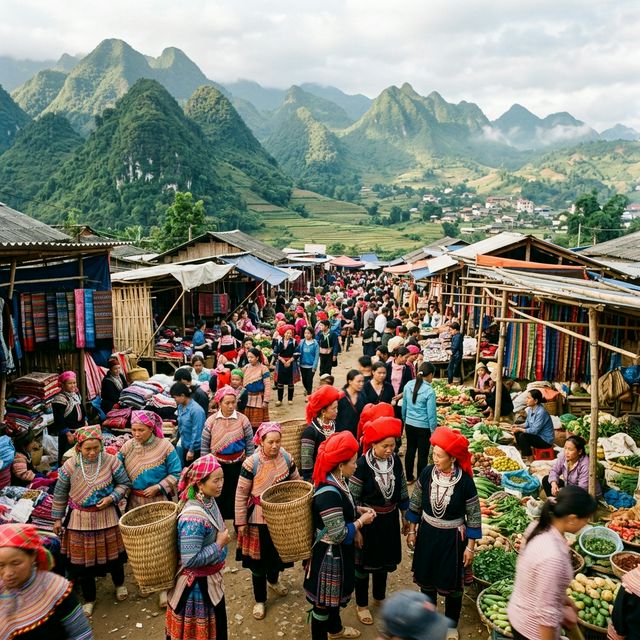
Colors and traditions in Bac Ha & Sapa.

See Guide
Sapa Villages

Villages & Minorities

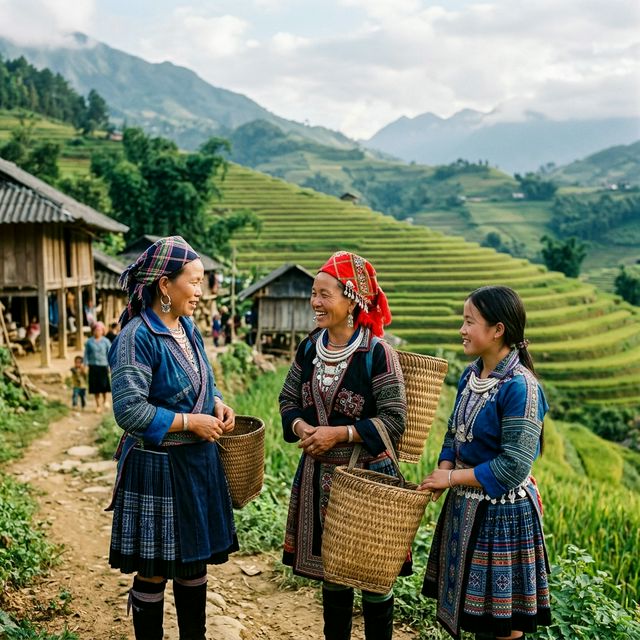
Authentic Hmong and Dao encounters.

See Guide